
Corruption Scandals Rock Ukraine, Closing in on Zelensky
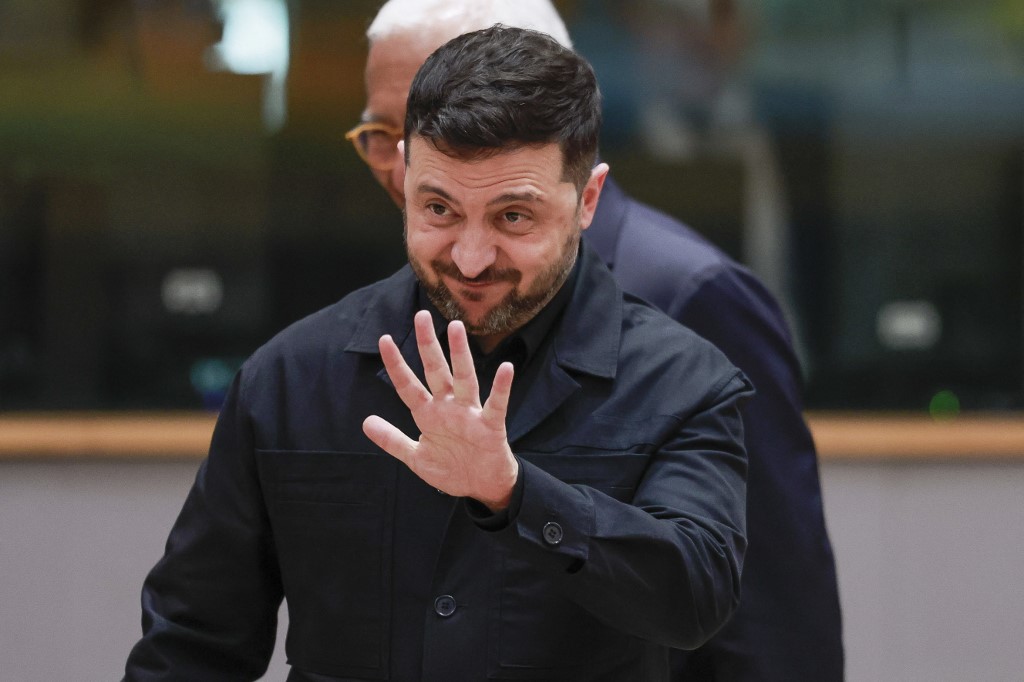
In 2025, Ukraine was rocked by a string of major corruption scandals. Allegations linked to President Zelenskyy and his inner circle erupted, with several senior figures — including Andriy Yermak, head of the Presidential Office — caught up in the fallout.
On 21 July, the Ukrainian parliament passed a law placing anti-corruption agencies under the authority of the Prosecutor General, effectively undermining their independence. The legislation was rushed through without following proper procedural rules, sparking protests in Kyiv. Demonstrations erupted, a sight unseen since the 2014 Euromaidan. Under public pressure, President Zelenskyy reversed the decision and reinstated the independence of the National Anti-Corruption Bureau of Ukraine (NABU).
Corruption cases in Ukraine had been spearheaded by its anti-corruption agencies, which investigated matters involving high-ranking officials.
In 2025, NABU initiated an investigation into Timur Mindich, a businessman connected to Zelenskyy and Andriy Yermak, as part of an operation dubbed Midas. Investigators alleged that Mindich and officials from Energoatom, Ukraine’s state-owned nuclear energy company, were involved in an illicit scheme, extorting bribes from contractors, typically amounting to 10-15% of the contract value. Contractors who refused faced the risk of losing their contracts.
NABU had wiretapped Mindich in relation to corruption within Ukraine’s energy sector. Subsequently, the Ukrainian Security Service (SBU) detained NABU investigators involved in the surveillance, a move that NABU claimed was corroborated by their internal investigation findings.
In mid-November, NABU released over an hour of recorded conversations on its YouTube and Telegram channels. The recordings featured Mindich and his associates discussing corruption schemes and dividing illicit proceeds.
The tapes included threats to delay or sabotage the construction of energy defence facilities despite Russian attacks, which provoked widespread outrage.
According to NABU estimates, individuals involved in the scheme embezzled $100 million from tenders related to the energy sector’s defence infrastructure, while Energoatom’s status during wartime limited oversight and facilitated the corrupt system’s operation.
The investigation implicated Energoatom officials, as well as the energy and ecology ministers, and close associates of Zelenskyy, including Mindich and former Deputy Prime Minister Oleksiy Chernyshov.
The scandal, symbolised by a golden toilet found in Mindich’s residence, ultimately led to the resignation of Andriy Yermak, amid suspicions that he was aware of or connected to the affair.
This golden toilet & bidet say “Thank you!” to the warmongers using Ukraine in their proxy war against Russia. They greet you from the flat of Zelensky ally Mr. Mindich, raided by anti-corruption police in operation named “Midas.” 1,000 hours of taped graft talks now spilling out pic.twitter.com/jss3Z3urOY
— Kirill Dmitriev (@kadmitriev) November 11, 2025
The Ukrainian Deputy Prime Minister has also been embroiled in the scandal and was involved in property dealings
Oleksiy Chernyshov, the former Deputy Prime Minister, has been named as a suspect in an investigation by the National Anti-Corruption Bureau (NABU) concerning abuse of office.
According to the investigation, he frequented the so-called „laundromat” – a venue for laundering illicitly obtained funds – and received substantial sums of cash on several occasions from an individual implicated in another case. On 11 November, he was charged with illicit enrichment.
Investigators claim that a Kyiv property developer unlawfully acquired a plot of land with the aid of officials from the Ministry of Regional Development, which Chernyshov headed at the time. The plot was transferred to a state-owned enterprise that signed investment agreements with a favoured property developer, who in return was obliged to officially hand over several future apartments to the state. The plot and buildings were grossly undervalued, leading to a discrepancy of over 1 billion hryvnias (approximately 25 million dollars).
According to investigators, Chernyshov and his associates received significant discounts on the apartments’ prices. The illegal profits attributed to Chernyshov amounted to over 14.5 million hryvnias (around 400,000 dollars) in total.
During the investigation, Chernyshov was at the helm of the Ministry of National Unity and Integration. He spent an extended period abroad, which made him a figure of ridicule in Ukrainian society, as he was responsible for Ukrainians returning from abroad, yet he himself did not return. He came back to Ukraine on 23 June 2025, at which point he was named a suspect in the NABU investigation, marking a pre-indictment stage in the Ukrainian legal system.
Observers believe that the case has contributed to the government’s attempts in July to limit the powers of NABU. The latest cases involving NABU have implicated ten sitting MPs from President Zelensky’s party, the ruling Servant of the People party.
On 16 July, SAPO, Ukraine’s anti-corruption prosecutor’s office, initiated a criminal investigation following a probe by Ukrainska Pravda, which scrutinised the management of assets seized by the Asset Recovery and Management Agency (ARMA).
The report mentioned the then Deputy Prime Minister for European Integration, Olga Stefanisyna, who has served as the Ambassador to the United States since December 2025. The investigation focuses on the transfer of the Trade Union House in Kyiv, owned by a company belonging to Stefanisyna’s former husband.