

The Spanish government is pushing for the legalization of the status of detained migrants
Spanish authorities have directed prisons to identify foreign detainees eligible for legalization under the current extraordinary legalization program and to assist in the processing of their applications.
In an internal circular issued by the Spanish Secretariat General for Penitentiary Institutions, Miguel Ángel Vicente Cuenca, the Director General for Prisons and Social Reintegration, has instructed prisons to collaborate with immigration offices and government representatives to expedite the processing of applications.
The measure reported by El Español does not create new rights but imposes operational obligations on the prison service to prevent the release of foreign detainees with illegal status, which the government argues would hinder their social reintegration. More than 30 percent of Spain’s prison population is foreign, with a significant number hailing from Morocco and Algeria.
This directive follows the approval of Royal Decree 316/2026 on April 14, which initiated a broad legalization process for undocumented migrants who were in Spain before January 1, 2026.
The move was partly a response to parliamentary pressure from Más Madrid, the left-wing ally of the ruling Spanish Socialist Workers’ Party (PSOE), which demanded guarantees that migrants in immigration detention centers (CIEs) and prisons would have unobstructed access to the legalization process.
The prison staff union, Tu abandono me puede matar (TAMPM), has criticized the speed with which the Secretariat has implemented measures benefiting detainees. It also accused the government of maintaining a “systematic silence” regarding long-standing demands from prison guards, such as improvements in working hours and recognition of their status as public officials.
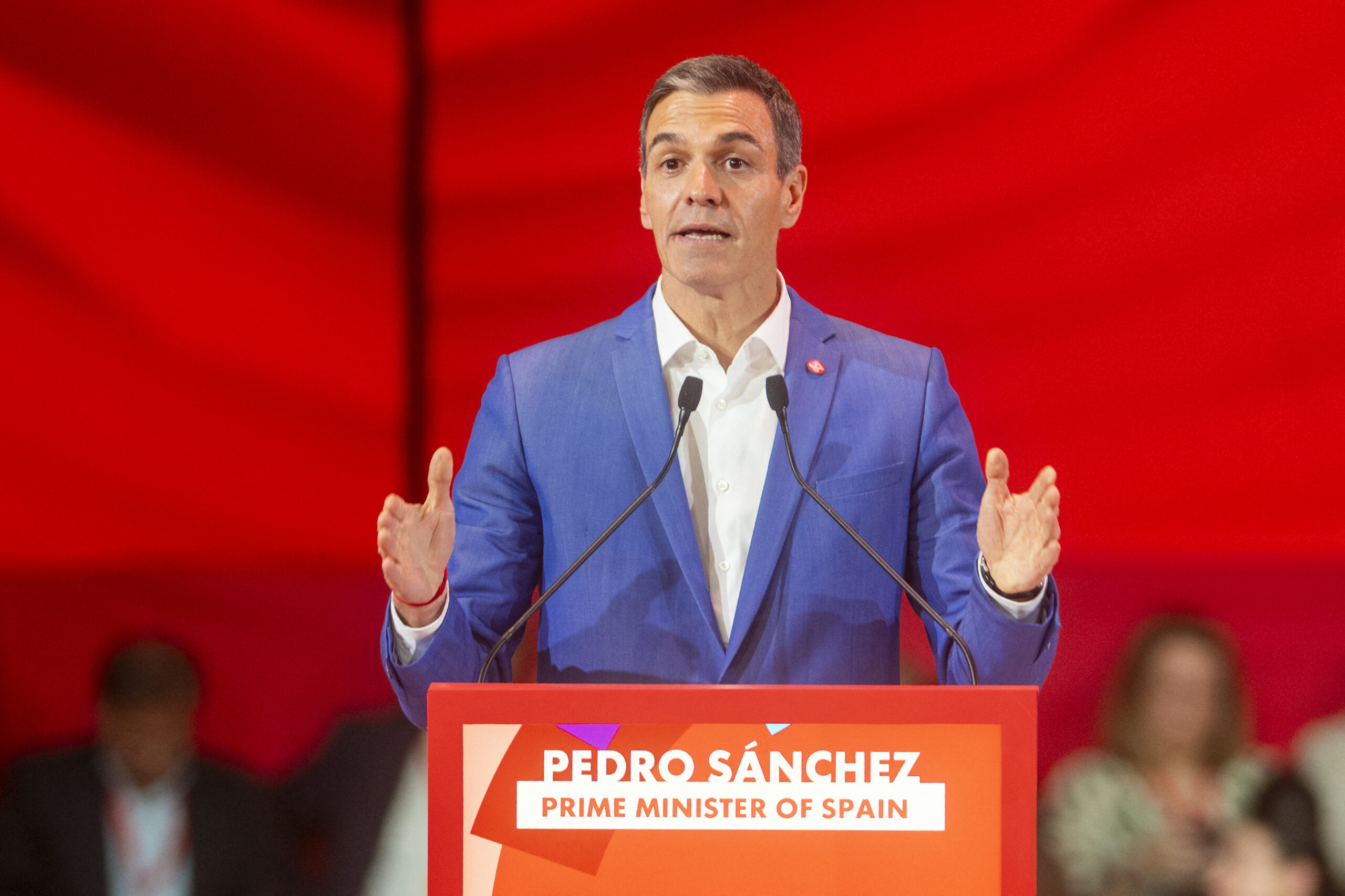
This instruction is part of Prime Minister Pedro Sánchez’s broader immigration policy, which includes a significant legalization campaign expected to benefit at least half a million people.
Applications for the extraordinary procedure began in mid-April and will continue until June 30, 2026. While the Spanish government presents the program as a pragmatic step to address labor shortages and promote integration, it sharply contrasts with the broader European trend.
With the support of the European Commission, most EU member states are focusing on reducing irregular migration through stricter border controls, faster returns, and the implementation of the EU migration and asylum pact, which will come into effect in June 2026.
EU officials have expressed reservations about the Spanish initiative, warning that it may conflict with the bloc’s current deterrent approach and could lead to secondary migration movements within the Schengen area.