

Budget Council to charge energy sector's extra costs on people
Serbia's Budget Council is proposing a drastic increase in electricity and gas prices. They believe electricity prices should be raised by 15-20 per cent, while the price of gas should go up by 65-70 per cent. The government is trying to keep prices down but, although electricity prices are unchanged, gas will cost 9 per cent more from August.
Electricity is too cheap in Serbia, says the Budget Council, an independent state body established in 2011 with the task of analysing and evaluating the country’s budgeting policy. The Council has analysed the organisational problems in Serbia’s energy system and how they relate to global changes. As a result of the analysis, they concluded that it is not correct for electricity in Serbia to cost less than in other European countries. They say Serbian households cannot pay prices that are as low as in Georgia or Ukraine, so a price increase is definitely necessary. They believe that if the population paid 15-20 per cent more, it would be possible to stabilise the operation of Serbia’s state-owned Electricity Company (EPS). They also underlined that, because of the current low prices, people are consuming disproportionately too much.
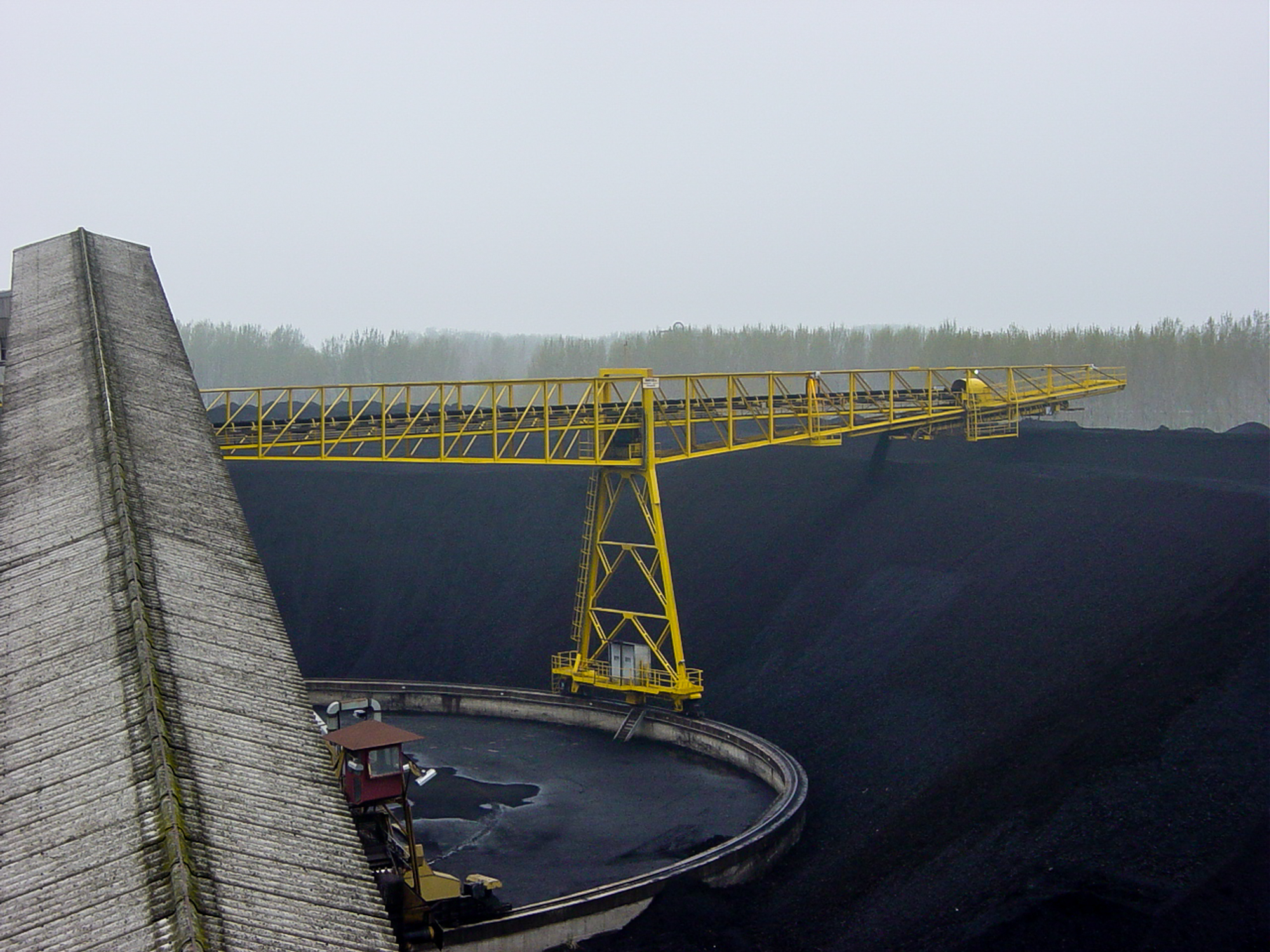
Photo: EPS.rs
Should people pay for mistakes of electricity industry?
Serbia’s Electricity Company (Elektroprivreda Srbije, EPS) is the country’s largest public company. It is tasked with the production, distribution and management of electricity. According to the description on their website, their goal is to provide the population with the lowest possible price and the best quality. They also write that they are trying to operate as a socially committed, market-oriented and profitable company.

Photo: EPS.rs
In recent months, however, the company’s claims on trying to run a profitable business have been called into question. Last December, blocks one and two of the Nikola Tesla thermal power plant in Obrenovac were shut down, causing a huge drop in production. The stoppage occurred because the coal was soaked by the snowfall, and a supply of inadequate quality entered the power plant, triggering a serious malfunction. Due to the shutdown, authorities were swift to launch an investigation to determine whether human error had occurred. They concluded that the problem had existed on several levels: workers in the Kolubara mine have loaded lower quality coal into the wagons, which got wet and froze during transport. Four people were dismissed: the managing director in charge of coal production, the director of operations at the Kolubara coal plant, the managing director responsible for power generation and the head of power generation. Later, Milorad Grcic, the general manager of the public company, also resigned. He is now the deputy mayor of Obrenovac.
The capacity reduction due to the shutdown has forced Serbia to import. According to press reports at the beginning of the year, EPS spent 250,000 euros per day on imports, and suffered a loss of 190,000 euros each day due to the difference between the purchase and the selling price.
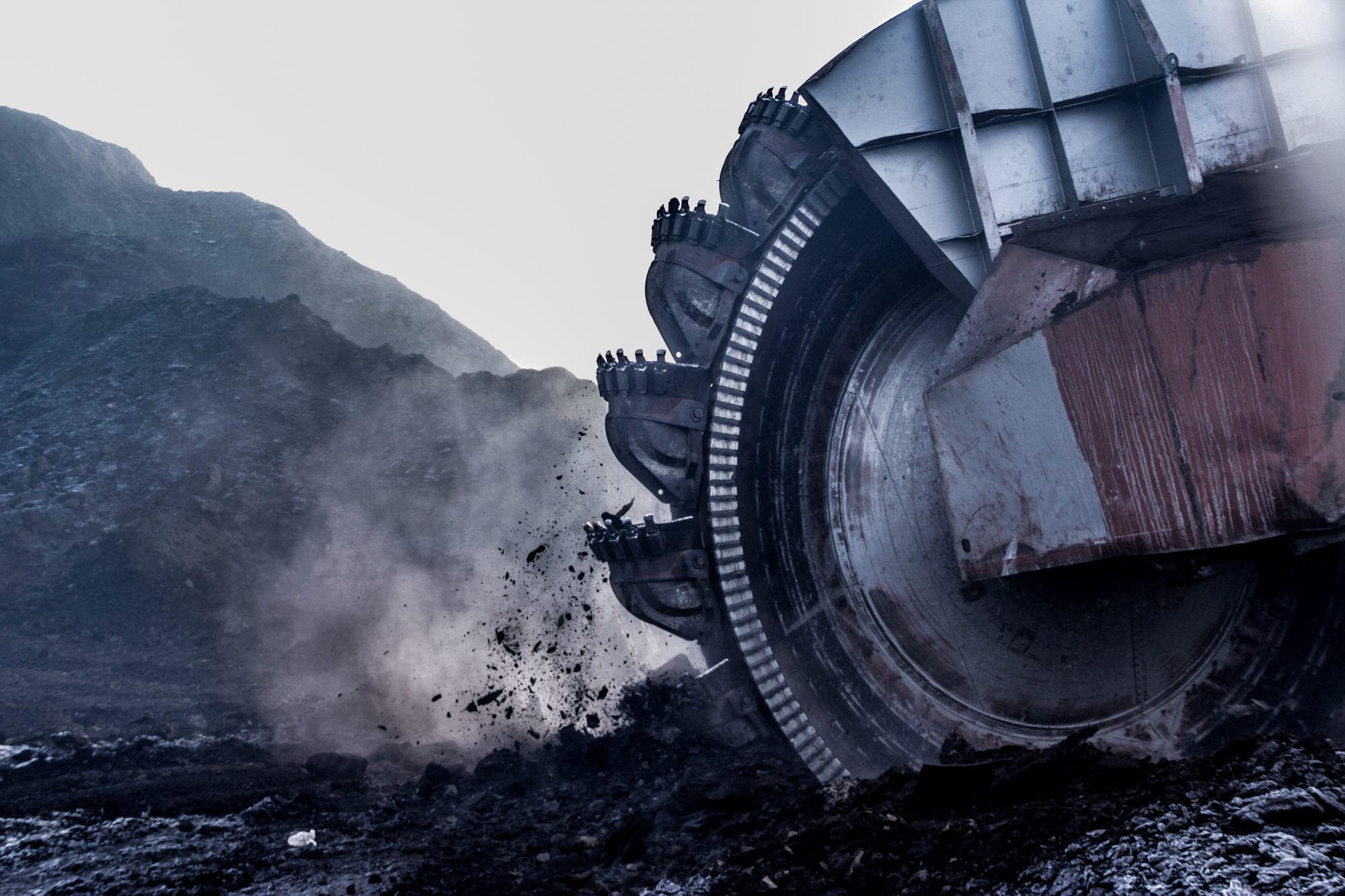
Photo: EPS.rs
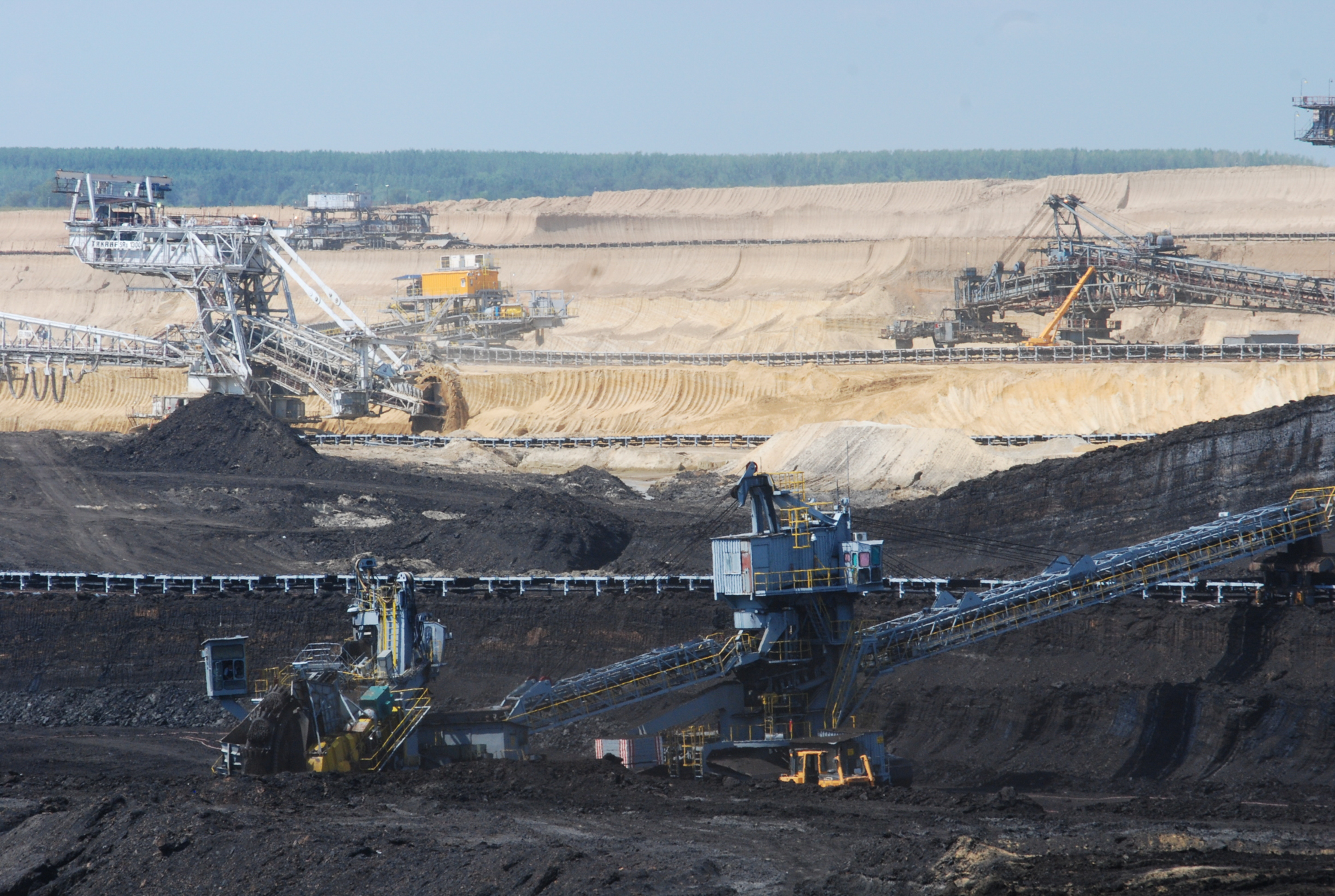
But there are serious problems outside the Obrenovac power plant, too, such as in the Kolubara coal mine – because the extraction technology is so outdated that they simply cannot produce enough. In a bid to tackle the problem temporarily, the government authorised Serbia’s national electricity provider to import 4 million tonnes of coal until the end of 2023, arguing that it is cheaper now to buy coal than electricity, as current calculations show. The coal is mined in Montenegro, but import proposals from Romania, Bulgaria and, most recently, China, are also on the table.
Generally speaking, Serbia’s state-owned electricity company (EPS) is not profitable; it struggles with a serious deficit. It needs modernisation and its production must be reorganised. The situation is further exacerbated by the general energy crisis as a result of the Russia-Ukraine war. The question is, who should bear the burden of the chaotic situation. Will the people have to pay more, and if so, by how much?
In late June Serbian President Aleksandar Vucic said that the government will provide the electricity necessary for the winter partly from Chinese coal imports, and partly from direct electricity procurements.
„We won’t be able to buy electricity that easily, because we are asking for guarantees. The price of electricity is rising drastically. We are planning to buy the electricity that we will use on St. Nicholas Day or New Year’s Eve now. This is why we need guarantees: to have the electricity delivered in time, in line with the agreements. Prices are going up steeply, threatening our financial security.”
The president did not mention at the press briefing by how much the end-user prices of electricity may rise in Serbia, but he has already stressed on many occasions that it won’t be a drastic increase.
Price of gas will go up, question is by how much
Household gas prices will rise by 9 per cent from 1 August, Serbia’s state-owned natural gas provider, Srbijagas, has announced, but apparently the Budget Council is not happy with the rate of the increase. They believe an increase of 65-70 per cent is justified in the present situation. Serbia covers 100% of its gas demand from abroad. The country’s contract with Russia expired at the end of May, when the Serbian president and his Russian counterpart struck a new deal for a 3-year-period. Serbia will receive an annual 2.2 billion cubic metres of gas at a discounted price, and an additional 800 million cubic metres at a higher, market price.
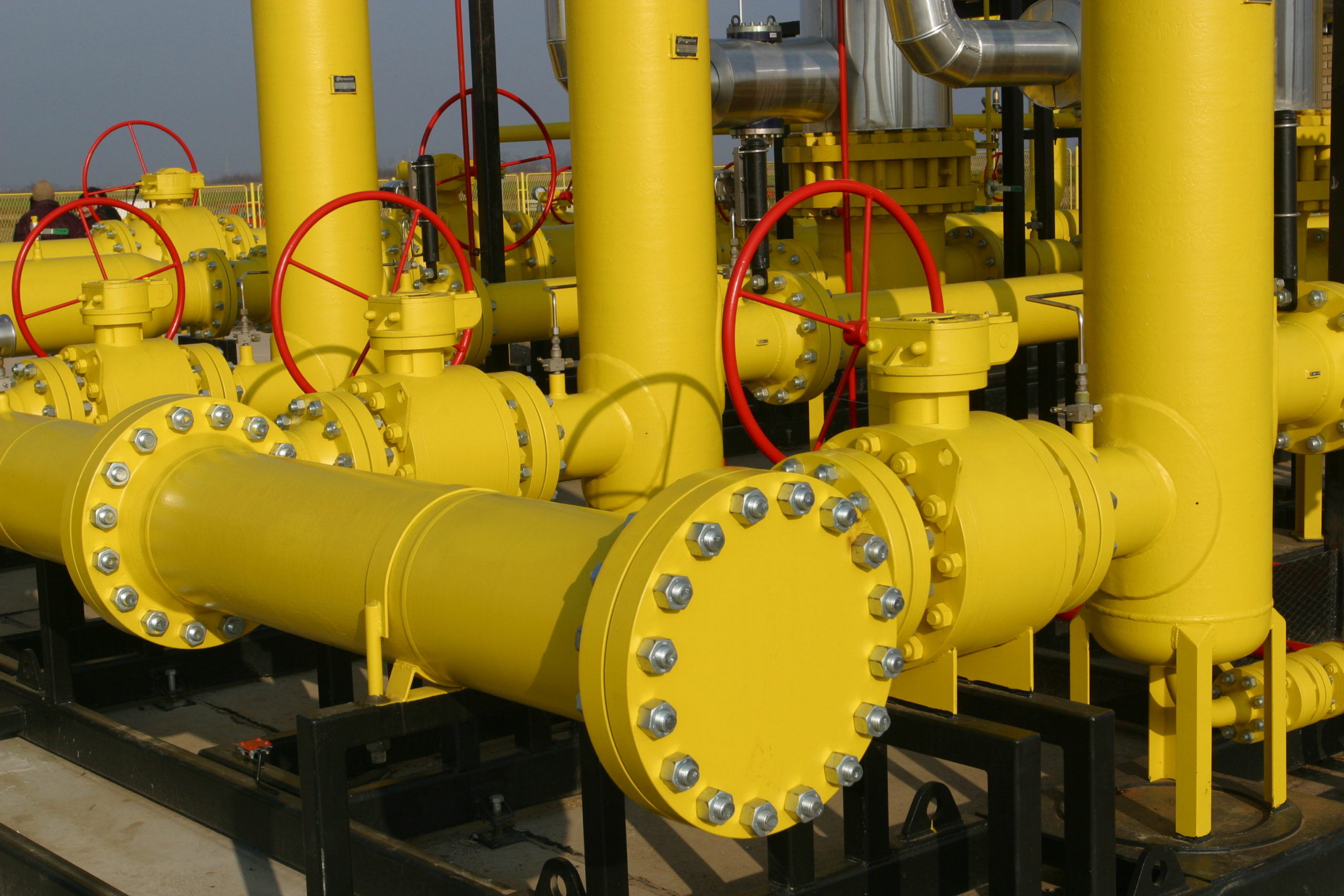
Photo: Serbia’s public gas provider
The Budget Council said that raising the price of gas would be justified because of the uncertainty in the market price of the 800 cubic metres of gas in the contract. They say that even a 75-per-cent hike would be reasonable for industrial users, meaning that Serbia would follow other countries in the region but, from an economic perspective, this move isn’t justified. The 65-70 per cent increase suggested for households seems drastic only upon first glance, the council said, arguing that gas prices have already hit those highs before. Based on the gas price hike, the Budget Council would also increase the price of district heating in cities. They consider that a price hike of 10-40 per cent would be realistic, depending on the amount of gas each district heating station uses.